
Austin's Community Gathering Hubs (CGHs) drive social interaction and economic growth through diverse austin events, from live music to community discussions. Strategically designed and accessible spaces foster neighborhood engagement, cultural expression, and tourism. By leveraging technology and partnerships, CGHs enhance Austin's reputation as a dynamic cultural hub, boosting quality of life for residents and visitors alike.
In today’s dynamic urban landscape, the concept of a Community Gathering Hub has emerged as a vital asset for cities aiming to foster social cohesion and enhance their residents’ quality of life. Austin, known for its vibrant culture and diverse events, is no exception. However, with a bustling schedule of austin events naturally competing for attention, creating a centralized space that prioritizes community engagement can be challenging. This article delves into the strategic design and implementation of such hubs, offering practical insights based on successful models to inspire and guide Austin’s future developments.
- Defining Community Gathering Hubs in Austin Events
- Building Effective Spaces for Community Engagement
- Sustaining Hub Success through Collaboration and Innovation
Defining Community Gathering Hubs in Austin Events
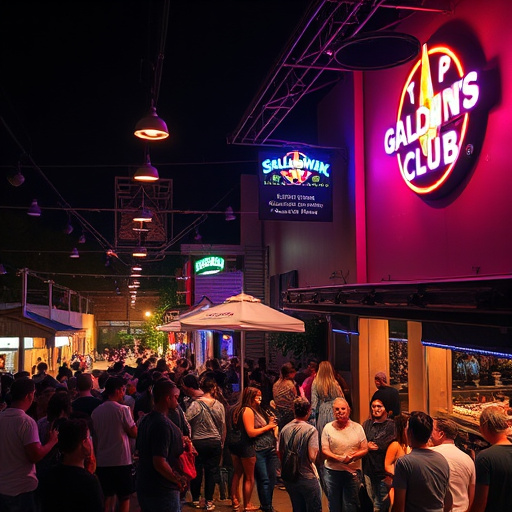
In Austin, events have long been a cornerstone of community life, reflecting the city’s vibrant culture and diverse population. Among these, Community Gathering Hubs stand out as vital spaces that facilitate connection, creativity, and collective celebration. These hubs are more than just venues; they serve as catalysts for social interaction, artistic expression, and cultural exchange, fostering a sense of belonging among residents and visitors alike. Defined by their inclusive nature and ability to host a myriad of activities, these spaces have become essential elements in shaping Austin’s dynamic events landscape, particularly when it comes to renowned local attractions like live music events that define the city’s pulse.
Austin is renowned for its thriving live music scene, with venues across the city hosting everything from intimate performances to grand concerts. These musical gatherings not only entertain but also bring people together, fostering a shared experience that strengthens community bonds. Community Gathering Hubs often double as epicenters for such events, leveraging their flexible spaces and unique atmospheres to cater to diverse artistic expressions. For instance, iconic venues like the Continental Club or The Mohawk have become household names for both local musicians and international headliners, showcasing how these hubs can cultivate a thriving arts culture while fostering community engagement.
Data supports the significant role these hubs play in Austin’s events ecosystem. Recent studies indicate that well-managed Community Gathering Hubs contribute substantially to economic growth by attracting tourists and supporting local businesses. Moreover, they enhance the overall quality of life by providing spaces for social activities, cultural programs, and educational initiatives. As Austin continues to grow and evolve, it is crucial for event organizers and city planners to recognize and cultivate these hubs, ensuring their longevity and relevance in shaping future austin events that resonate with both residents and visitors.
Building Effective Spaces for Community Engagement

Creating effective spaces for community engagement is crucial for fostering connection and cultivating a vibrant social fabric, particularly within urban centers like Austin, Texas, known for its dynamic culture and diverse population. The concept of a Community Gathering Hub (CGH) has emerged as a strategic approach to bring people together, offering a dedicated physical location that promotes social interaction, cultural exchange, and community building. These hubs serve as multi-purpose venues, designed to accommodate various events, from educational workshops and art exhibitions to live music performances and grassroots gatherings—all of which contribute to Austin’s vibrant events calendar, including renowned Austin live music events.
One of the key considerations in designing successful CGHs is accessibility and inclusivity. These spaces should be easily navigable, welcoming to all ages and abilities, and reflective of the diverse communities they aim to serve. For instance, incorporating versatile seating arrangements that cater to both formal presentations and casual gatherings can encourage a mix of activities and interactions. Moreover, ensuring digital accessibility through reliable Wi-Fi and providing physical amenities like accessible restrooms enhances inclusivity. Austin’s event scene benefits from such thoughtful design, as it encourages participation across demographic lines, fostering a more cohesive community spirit.
Community Gathering Hubs also play a pivotal role in bridging gaps between neighbors and promoting local culture. By hosting regular events that cater to diverse interests, these spaces can become epicenters for social engagement, encouraging residents to connect beyond their immediate circles. For example, a CGH might organize weekly open mic nights featuring local musicians, interspersed with art showcases or community discussions on relevant topics. Such varied programming not only attracts different demographics but also cultivates a sense of ownership and investment among the community. Data suggests that active community engagement through events like these can lead to increased neighborhood satisfaction and social cohesion, which are vital for Austin’s ongoing growth as a cultural hub.
To maximize the impact of CGHs in Austin, it is essential to partner with local organizations and artists who understand the unique needs and aspirations of their neighborhoods. Collaborative efforts can ensure that programming aligns with community interests, leading to higher attendance and engagement. Additionally, leveraging technology to promote events through social media and community newsletters enhances reach and accessibility. By thoughtfully integrating CGHs into Austin’s vibrant events landscape, the city can continue to thrive as a destination for both residents and visitors alike, celebrating its rich cultural tapestry through shared experiences and meaningful connections.
Sustaining Hub Success through Collaboration and Innovation
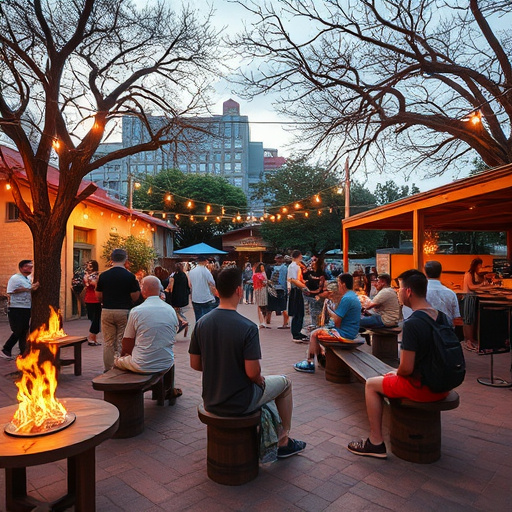
In the vibrant city of Austin, the concept of a Community Gathering Hub has emerged as a powerful tool for fostering social connections and cultural exchange. These hubs serve as dynamic spaces that bring people together, celebrating the unique character of the city while facilitating meaningful interactions. To ensure long-term success, these community spaces must embrace collaboration and innovation, aligning with Austin’s renowned spirit of creativity.
Collaboration is at the heart of a thriving hub. By fostering partnerships between local businesses, arts organizations, and community leaders, these spaces can offer diverse programs and events that cater to all interests. For instance, combining the city’s thriving live music scene with cultural festivals creates memorable experiences such as outdoor concerts and multimedia art installations, attracting both locals and visitors. Data from Austin’s tourism board reveals that events naturally occurring in these hubs contribute significantly to the city’s economy, boosting local businesses and accommodation during peak seasons.
Innovation plays a crucial role in keeping these hubs vibrant and relevant. Utilizing technology can enhance user experiences by providing digital platforms for event promotion, community engagement, and virtual gatherings when in-person meetings are restricted. For example, implementing interactive mapping tools allows visitors to discover events seamlessly, while live streaming capabilities enable the city’s renowned live music events to reach a global audience. By embracing new ideas and technologies, Austin’s Community Gathering Hubs can offer unique experiences that resonate with diverse communities, ensuring their sustained success in the dynamic cultural landscape of the city.