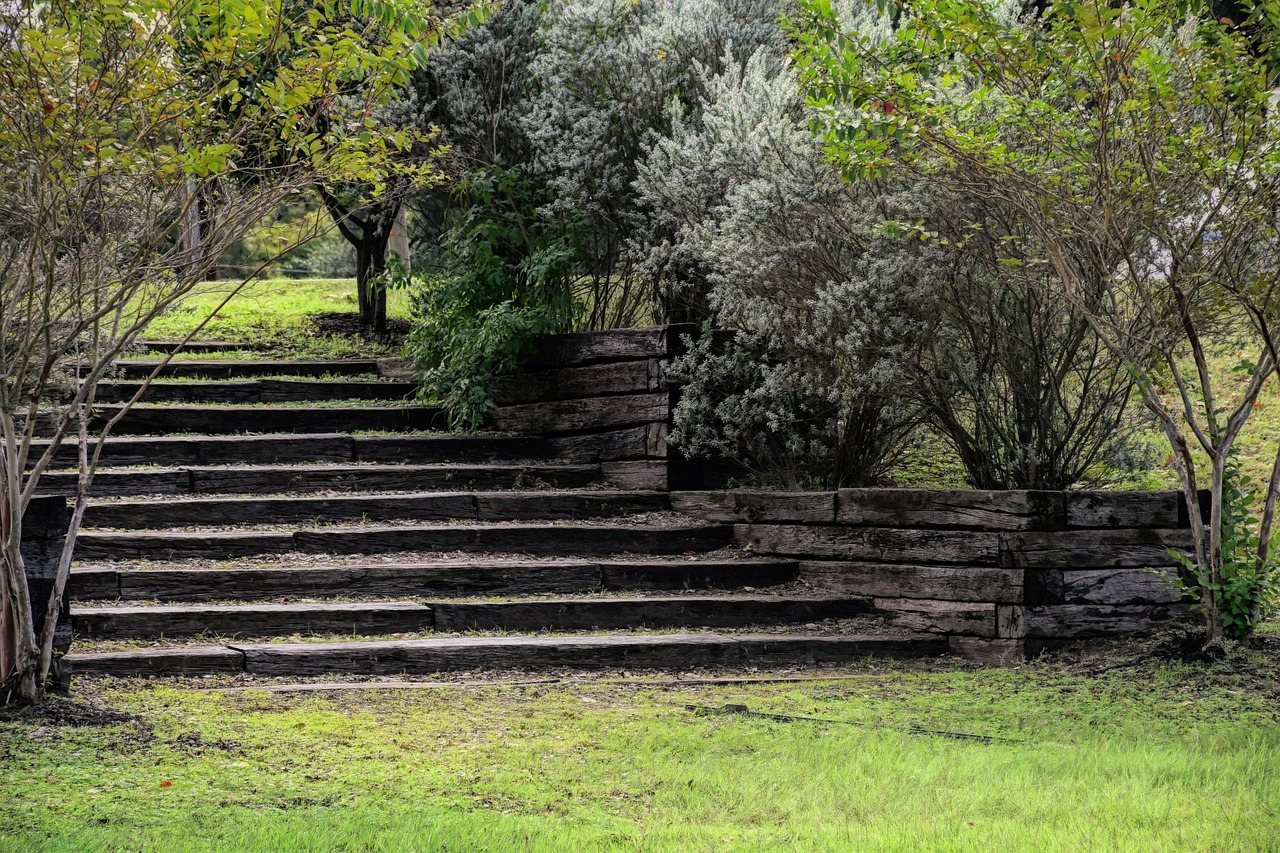
Discover the diverse and captivating Austin things to do by visiting its national monuments. From historic sites that tell tales of the past to breathtaking landscapes that showcase the beauty of the present, these landmarks offer a unique glimpse into the soul of Austin, Texas. This article delves into the best national monuments to visit, highlighting their historical significance and why they're must-see attractions for any traveler.
Introduction
Austin, Texas, known for its vibrant music scene, innovative culture, and beautiful landscapes, offers a plethora of Austin things to do. Among the city's diverse attractions are national monuments that preserve and celebrate the area's rich history and stunning natural beauty. These landmarks not only provide educational insights but also serve as picturesque backdrops for memorable experiences. In this article, we'll explore some of Austin's most notable national monuments and why they should be at the top of your list when visiting this dynamic city.
Top National Monuments to Visit in Austin
1. Lyndon B. Johnson National Historical Park
Overview
Spanning over 22,000 acres, the Lyndon B. Johnson National Historical Park is a comprehensive museum complex dedicated to the life and legacy of the 36th President of the United States, Lyndon B. Johnson (LBJ). The park comprises several sites, with the main one being the LBJ Library and Museum in Austin.
Why Visit?
- Immersive Experience: Step back in time through interactive exhibits that detail LBJ's life, from his early years to his political career and initiatives like the Great Society and Civil Rights movements.
- Historic Documents: View rare documents, photographs, and artifacts that shed light on significant moments in American history.
- Beautiful Scenery: The park's various locations, including the Texas Hill Country, offer picturesque landscapes that complement the educational experience.
2. Hamilton Pool Preserve
Overview
Located about 30 miles west of Austin, Hamilton Pool Preserve is a natural pool formed by a granite overhang and surrounded by lush vegetation. It's a testament to the area's stunning natural beauty and was once a private retreat.
Why Visit?
- Breathtaking Views: The pool's unique formation and surrounding landscape make it an Instagrammer's paradise.
- Hiking Opportunities: Explore the nearby trails that wind through the scenic hills and offer panoramic views of the area.
- Eco-Significance: Preserved as a Texas State Natural Area, Hamilton Pool is home to diverse flora and fauna, highlighting the region's ecological importance.
3. Fort Austin State Park
Overview
In the heart of the Texas Hill Country, Fort Austin State Park commemorates the early settlement era of Texas. The park features the restored remains of a frontier fort built in 1836 to protect the area from Native American attacks.
Why Visit?
- Historical Significance: Learn about the lives of early settlers and the battles that shaped Texas history through exhibits and guided tours.
- Outdoor Activities: Enjoy hiking, birdwatching, and picnicking amidst the scenic landscape.
- Interactive Demonstrations: Witness re-enactments and demonstrations that bring history to life, providing a vivid understanding of Austin's past.
4. Mount Bonnell
Overview
Mount Bonnell, located in Zilker Park, is one of the most recognizable landmarks in Austin. It offers panoramic views of Lake Austin and the surrounding hills, making it a popular spot for both locals and visitors alike.
Why Visit?
- Stunning Views: The summit provides a breathtaking vista of the cityscape, perfect for capturing memorable photos.
- Easy Access: Situated within Zilker Park, Mount Bonnell is easily accessible, offering a quick escape from the bustling city for some fresh air and beautiful scenery.
- Historical Significance: Named after a 19th-century explorer, Mount Bonnell has witnessed Austin's growth over the years, making it a symbol of the city's history and progress.
FAQ: Exploring National Monuments in Austin
Q: What is the best time to visit these national monuments?
A: The best time to visit depends on your preferences. Spring (March-May) offers mild weather ideal for outdoor activities, while fall (September-November) brings comfortable temperatures and fewer crowds.
Q: Are there any entry fees for these sites?
A: Most national monuments in Austin have nominal entrance fees, with some offering free admission on certain days or during specific hours. Always check the official website for up-to-date information.
Q: Can I explore these sites independently or do I need a guide?
A: Many of these sites provide self-guided tours, allowing you to explore at your own pace. However, guided tours are available and highly recommended for deeper insights into the history and natural features.
Q: Are there any events or festivals held at these monuments?
A: Yes, several national monuments in Austin host events throughout the year, including historical re-enactments, nature walks, and cultural festivals. Check the park's schedule to see what events align with your visit.
Conclusion
Austin offers a captivating blend of urban vibrancy and natural beauty, embodied by its diverse national monuments. Whether you're interested in history, outdoor exploration, or simply taking in stunning landscapes, these landmarks provide an enriching experience for all types of travelers. By exploring these sites, you gain a deeper understanding not just of Austin's past but also of the factors that have shaped the city into the vibrant hub it is today. So, when planning Austin things to do, be sure to include these remarkable national monuments on your itinerary.