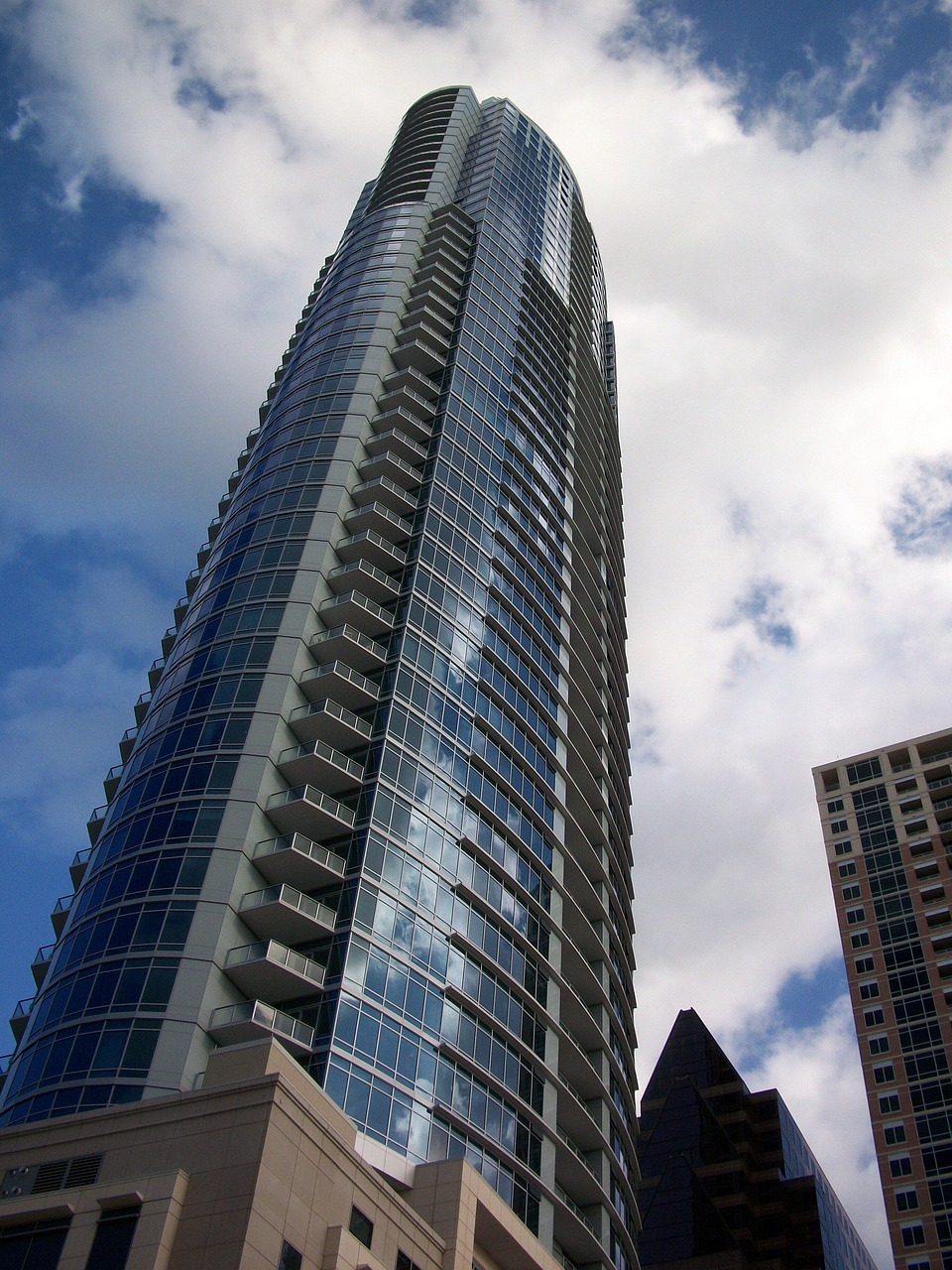
Discover the best of Austin Things to Do by delving into its remarkable national monuments. From historical sites to stunning natural landscapes, these landmarks offer a unique glimpse into Texas’ rich past and present. This guide navigates the top attractions within Austin’s national monument boundaries, providing insights for an unforgettable visit.
Introduction
When visiting Austin, Texas, venturing beyond the bustling cityscape reveals a treasure trove of natural and historical wonders preserved as national monuments. These protected areas not only showcase the region’s diverse ecosystems but also tell compelling stories of its past. Whether you’re a history buff, nature enthusiast, or simply seeking unique Austin things to do, these monuments offer experiences that leave lasting impressions.
Exploring Austin’s National Monuments
1. Hamilton Pool Preserve
A Natural Oasis in the Hills
Located about 30 miles west of Austin, Hamilton Pool is a prime example of why Texas is known for its breathtaking natural beauty. This national monument features a stunning green pool carved into limestone cliffs and surrounded by lush, tropical foliage. The pool’s crystal-clear waters and towering rock formations create an idyllic setting for swimming, picnicking, or simply basking in nature’s tranquility.
Accessing the Hidden Gem
Visitors can hike a moderately challenging trail that winds through the dramatic landscape to reach the pool. The trail is approximately 0.7 miles round trip and offers breathtaking views at every turn. Due to its popularity, reservations are required for entry, ensuring a more peaceful experience for all visitors.
2. Barton Springs Pool
A Historic Splash in Urban Austin
Back in the heart of Austin lies Barton Springs Pool, a natural spring-fed pool within Zilker Park. With an average temperature of 68 to 70 degrees Fahrenheit year-round, it’s a refreshing escape from the Texas heat. This national monument has been a beloved local gathering spot for over a century and offers a unique blend of urban accessibility and natural charm.
Swimming in History
The pool’s origins date back to the late 1800s when it served as Austin’s primary water supply. Today, it caters to a different kind of thirst—for aquatic adventure and relaxation. Visitors can take a dip, rent kayaks or stand-up paddleboards, or simply soak up the sun on the surrounding lawn.
3. Mount Bonnell
Soaring Views Over Lake Austin
For panoramic vistas that take your breath away, Mount Bonnell is a must-visit. This national monument offers a challenging but rewarding hike to the highest point in Austin, where you’ll be rewarded with breathtaking views of Lake Austin and the surrounding hills. The 1.4-mile round trip trail takes you through lush forests and over rocky outcrops, providing opportunities for wildlife spotting along the way.
A Historical Perspective
Named after a 19th-century explorer, Mount Bonnell holds historical significance as a point of entry into Texas for early settlers. The view from the summit offers a poignant reminder of the region’s rich frontier history and serves as a peaceful reflection area.
Cultural and Historical National Monuments in Austin
Beyond natural wonders, Austin boasts national monuments that celebrate its cultural heritage and diverse history.
4. Bullock Texas State History Museum
A Journey Through Time
This national monument is dedicated to preserving and sharing the story of Texas. The Bullock Museum offers immersive exhibits that cover everything from pre-Columbian times to modern-day, showcasing the state’s rich cultural tapestry. Interactive displays, artifacts, and multimedia presentations transport visitors through Texas history.
Educational Experiences
The museum provides a wealth of educational opportunities for all ages, including school programs, workshops, and special events. Visitors can delve into specific eras, explore regional cultures, or gain insights into the state’s political and social development.
5. Texas State Capitol
A Monument to Democracy
As the heart of Austin and Texas government, the Texas State Capitol is an iconic national monument that embodies the principles of democracy. This impressive building boasts opulent interior designs and offers guided tours providing a deep dive into Texas’ political history. Visitors can admire the intricate architecture, learn about influential figures, and gain a deeper appreciation for the state’s democratic process.
Planning Your Austin National Monument Adventure
When to Visit
The best time to explore Austin’s national monuments is during the spring (March-May) or fall (September-November) when temperatures are mild and pleasant. Summers can be extremely hot, while winters offer a slight chill but generally mild conditions.
Getting Around
Most of these sites are easily accessible by car, with ample parking available. Public transportation options are limited, so having your own vehicle is ideal for visiting multiple monuments in one trip. Biking and walking are also viable alternatives for some locations, particularly within Zilker Park.
Practical Tips
-
Reservations: Make reservations well in advance, especially for Hamilton Pool and popular museums, to secure your preferred time slot.
-
Water and Snacks: Pack plenty of water and light snacks for outdoor activities, as options may be limited at certain sites.
-
Hiking Gear: Wear comfortable hiking shoes, apply sunscreen, and bring a hat for outdoor adventures like Mount Bonnell or Hamilton Pool.
-
Camera: Don’t forget to capture the stunning views and unique experiences—your memories will last long after your visit!
FAQ About Austin’s National Monuments
Are these sites suitable for families?
Absolutely! Most national monuments offer activities and exhibits tailored for all ages, making them excellent family destinations. Interactive displays, outdoor trails, and engaging tours cater to both children and adults.
Can I bring my dog?
While dogs are generally allowed in most areas of the parks, certain trails and pools may have specific restrictions. Always check the rules at each site and keep your pet on a leash when required.
Are there any entry fees?
Entry fees vary by location. Some sites offer free admission, while others charge a small fee for non-residents or have donation-based entrance. Check the official websites for specific details before your visit.
Can I camp near these monuments?
Camping facilities are available at some national monument sites, such as Hamilton Pool Preserve and certain state parks nearby. However, options can be limited, so it’s essential to plan ahead and reserve campsites in advance.
Conclusion
Austin, Texas, truly shines as a destination for Austin things to do that go beyond the ordinary. Its national monuments offer a captivating blend of natural beauty, historical significance, and cultural richness. Whether you’re exploring ancient pools, summiting hills, or delving into Texas’ past, these landmarks promise memorable experiences. By planning your visit strategically and embracing the region’s diverse attractions, you’ll uncover why Austin is a treasure trove for travelers seeking unique adventures and insights into American history.